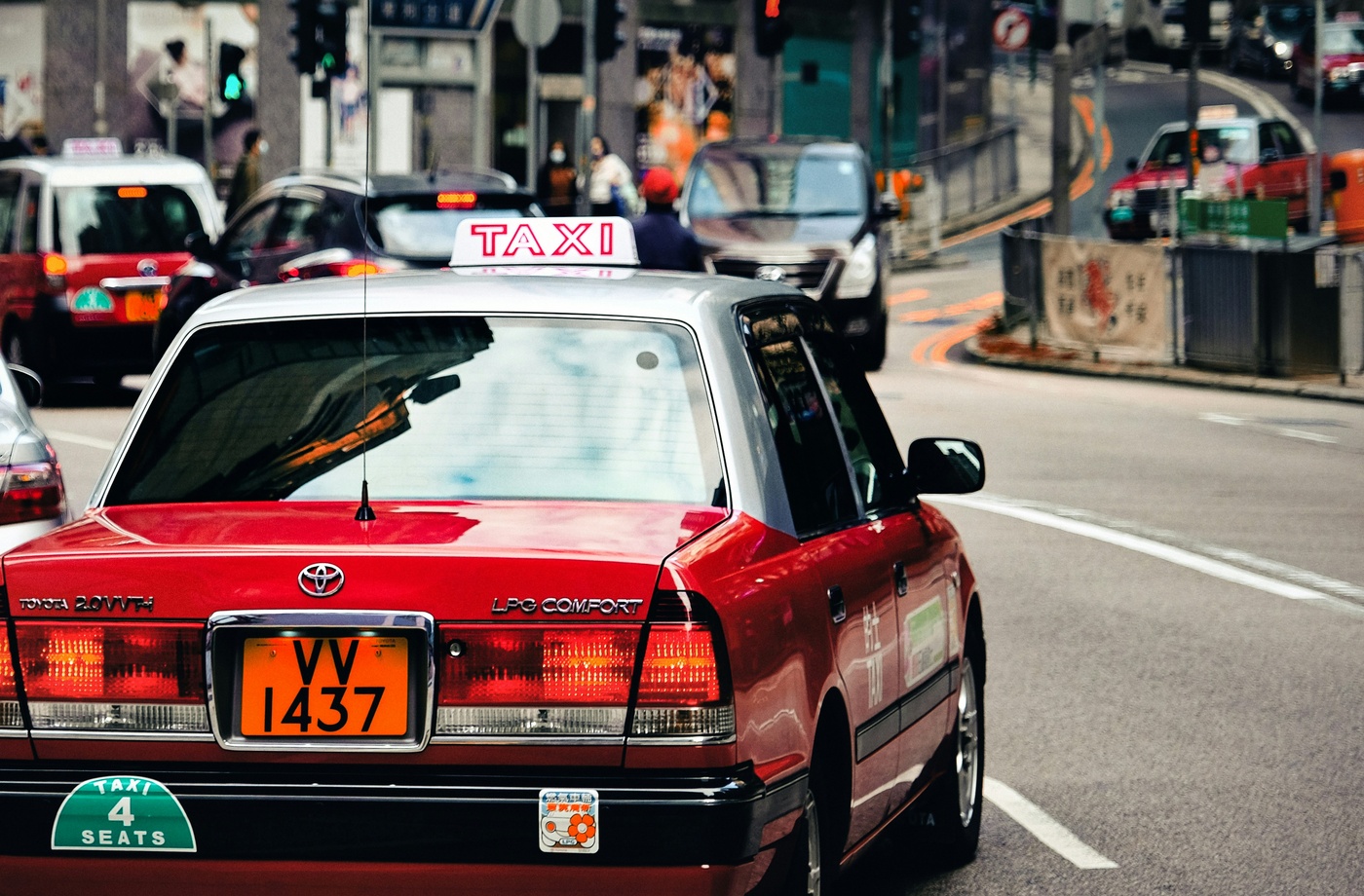
The taxi industry is on the edge of a major transformation as autonomous vehicle technology continues to develop. Self-driving taxis, already being tested in several U.S. cities, promise to change the way people think about urban transportation. But what does this shift mean for riders in terms of cost, safety, and accessibility?
Where Self-Driving Taxis Are Already Operating
Companies like Waymo and Cruise are piloting autonomous taxi services in cities such as Phoenix, San Francisco, and Austin. Riders can book these vehicles much like traditional ride-hailing services, though availability is currently limited to specific zones.
Cost Expectations for Riders
Self-driving taxis are expected to reduce operating costs by removing the need for a driver, which could make fares cheaper over time. However, as the technology is still in its early stages, current rides are often priced similarly to traditional options. As adoption grows, increased efficiency could lead to more affordable fares.
Safety Considerations
Autonomous vehicles use advanced sensors, cameras, and artificial intelligence to navigate traffic. While companies claim these systems can reduce accidents caused by human error, regulators like the National Highway Traffic Safety Administration continue to monitor incidents and update safety requirements. Passengers should expect ongoing improvements but also occasional service interruptions during this testing phase.
Accessibility Benefits
For riders who cannot drive—such as seniors or people with disabilities—self-driving taxis could increase mobility options. By offering on-demand service at scale, autonomous cabs may help fill transportation gaps in underserved areas.
Challenges Ahead
Despite progress, there are still hurdles before self-driving taxis become mainstream. Legal regulations, public trust, and infrastructure upgrades all play a role in how quickly autonomous fleets can expand. Cities will need to adapt to ensure these vehicles can operate safely alongside traditional traffic.
Final Thoughts
The future of taxis is heading toward automation, and while widespread adoption may still be years away, the groundwork is already being laid. For riders, this means more options, potential cost savings, and a glimpse into the next era of urban transportation.